


Heat sensitivity (Uhthoff’s phenomenon) is one of the most frustrating symptoms of Multiple Sclerosis. Even a small rise in core body temperature can temporarily worsen fatigue, muscle weakness, blurred vision, and balance issues. For many people, cooling strategies are not just a comfort choice — they are a practical way to stay functional during daily life.
Research has shown that lowering core temperature can temporarily improve strength, endurance, and fatigue levels for up to a couple of hours. That’s why neurologists often recommend cooling tools, especially during summer, exercise, or physically demanding tasks.
Below is a practical guide to what actually helps — including cooling vests, hydration running vests, and even when heating pads may (or may not) be useful.
1️⃣ Phase-Change Cooling Vests (Most Effective for MS)



4
Best for: Everyday use, outdoor activity, summer heat
Cooling time: 1–3 hours
These vests use special inserts filled with phase-change material (PCM). Unlike regular ice packs, PCM maintains a steady cooling temperature (usually around 58–64°F / 14–18°C), which is ideal for MS.
Why they work well:
- Provide consistent cooling (not too cold, not too warm)
- Help lower core temperature gradually
- Less risk of skin irritation
- Comfortable under loose clothing
Many MS clinics recommend PCM vests because they are specifically designed for medical cooling rather than sports-only use.
✔️ Good for: Walking outside, shopping, social events
❌ Less ideal for: Very high-intensity workouts
2️⃣ Ice-Pack Cooling Vests (Budget-Friendly Option)


4
Best for: Short-term cooling
Cooling time: 45–90 minutes
These vests use frozen gel packs placed inside pockets. They are usually more affordable than PCM vests.
Pros:
- Strong cooling effect
- Widely available
- Lower price
Cons:
- Can feel very cold initially
- Cooling fades faster
- Packs need refreezing frequently
For MS, intense cold isn’t always better. The goal is steady temperature reduction, not shock cooling. If you choose this type, wear a thin layer underneath to protect your skin.
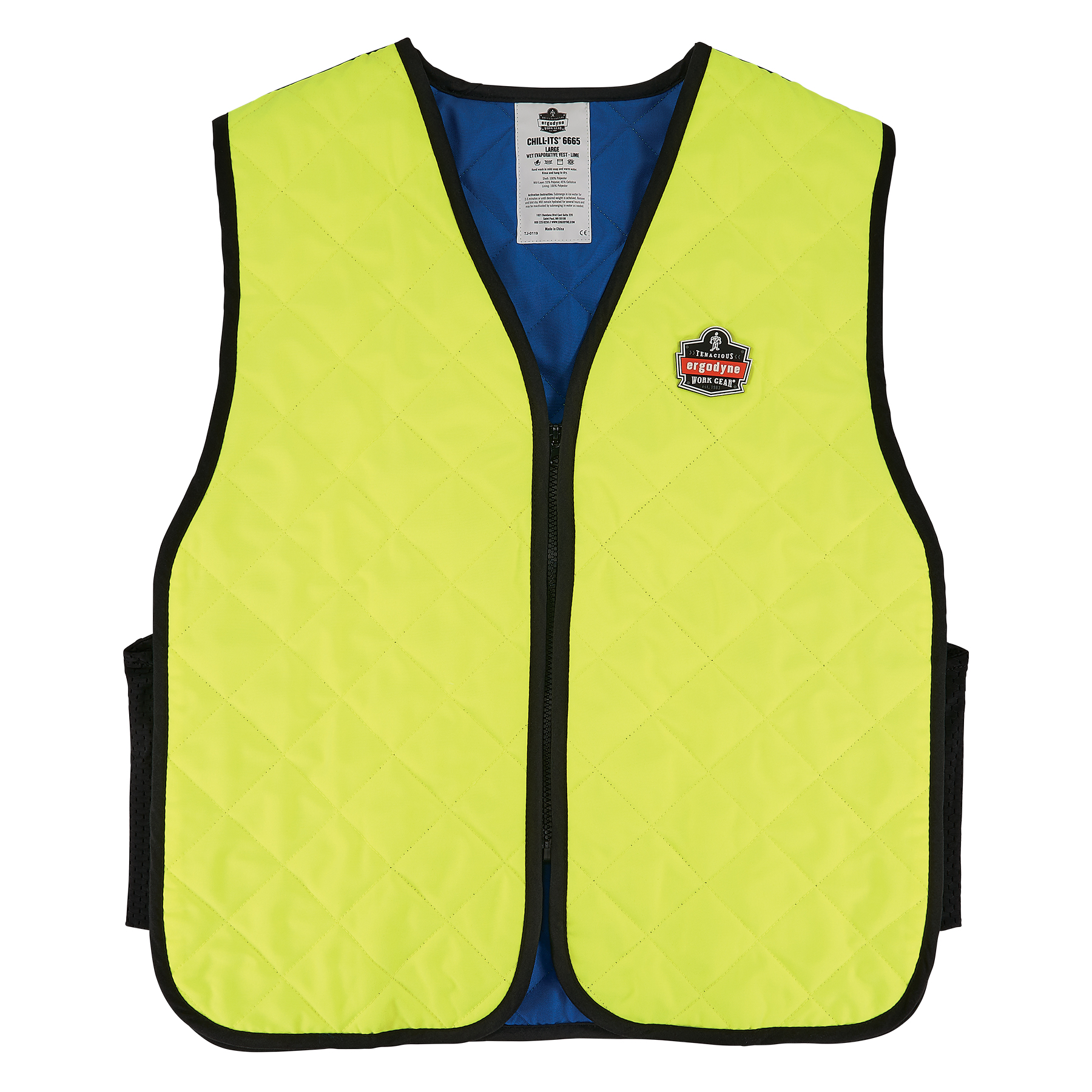
3️⃣ Evaporative Cooling Vests (Lightweight Option)


4
Best for: Dry climates
Cooling time: 1–2 hours (depending on humidity)
These vests are soaked in water and cool through evaporation.
✔️ Very lightweight
✔️ No freezer required
❌ Less effective in humid weather
If you live in a dry area, this can be a convenient everyday solution.
4️⃣ Running Hydration Vests — Helpful Addition


4
A Running Vest for Women & Men (Lightweight Hydration Type) is not a cooling vest by itself — but it can support temperature control.
Why hydration matters in MS:
- Dehydration increases fatigue
- Proper fluid intake helps regulate body temperature
- Cold water in a hydration bladder can provide mild cooling
For people who walk regularly or exercise gently, combining:
- A cooling vest
- A hydration running vest
can be very effective in managing heat sensitivity.
5️⃣ What About Microwavable Heating Pads?


4
A Microwavable Heating Pad for Neck and Shoulders is generally used for:
- Muscle stiffness
- Neck pain
- Spasticity relief
However, for MS patients with heat sensitivity, heat therapy should be used carefully.
⚠️ Important:
- Heating pads can temporarily worsen neurological symptoms.
- Use only for localized muscle relief.
- Avoid using during hot weather.
- Keep sessions short (10–15 minutes).
Some people find that using heat briefly for muscle tightness — followed by cooling — works best. Always discuss with your neurologist or MS nurse if unsure.
What Actually Helps Most?
Based on both research and patient experiences:
🥇 Phase-change cooling vests are the most effective and safest for managing heat sensitivity.
🥈 Ice-pack vests are helpful for short-term use.
🥉 Evaporative vests work in dry climates.
➕ Hydration vests are supportive but not replacements.
⚠️ Heating pads are for muscle comfort, not temperature control.
Extra Cooling Tips for Everyday Living with MS
- Wear light, breathable clothing
- Use cooling towels around the neck
- Drink cold fluids regularly
- Plan activities during cooler hours
- Use fans or air conditioning when possible
Heat sensitivity doesn’t mean you have to stop living your life. With the right cooling strategy, many people with MS can stay active and comfortable — even during warmer months.
If you’d like, I can also turn this into a forum-friendly reply version (natural, non-promotional tone) that you can post directly.
