


Living with Multiple Sclerosis (MS) comes with daily challenges, especially when it comes to mobility, balance, fatigue, and muscle strength. The good news is that the right home exercise routine can make a significant difference. Regular, gentle movement helps maintain flexibility, improve coordination, and support overall well-being.
If you’re researching options like the FitBeast Grip Strengthener Forearm or the MERACH Exercise Bike, you’re already on the right track by looking for structured, supportive tools. Below is a detailed, honest guide to home exercises that are generally considered safe and effective for MS patients.
Why Exercise Is Important for MS
Exercise does not worsen MS. In fact, research consistently shows that appropriate physical activity can:
- Improve muscle strength
- Enhance balance and coordination
- Reduce stiffness and spasticity
- Boost mood and mental clarity
- Help manage fatigue over time
The key is low-impact, consistent, and personalized movement — not intense workouts.
1. Stretching and Flexibility Exercises

4
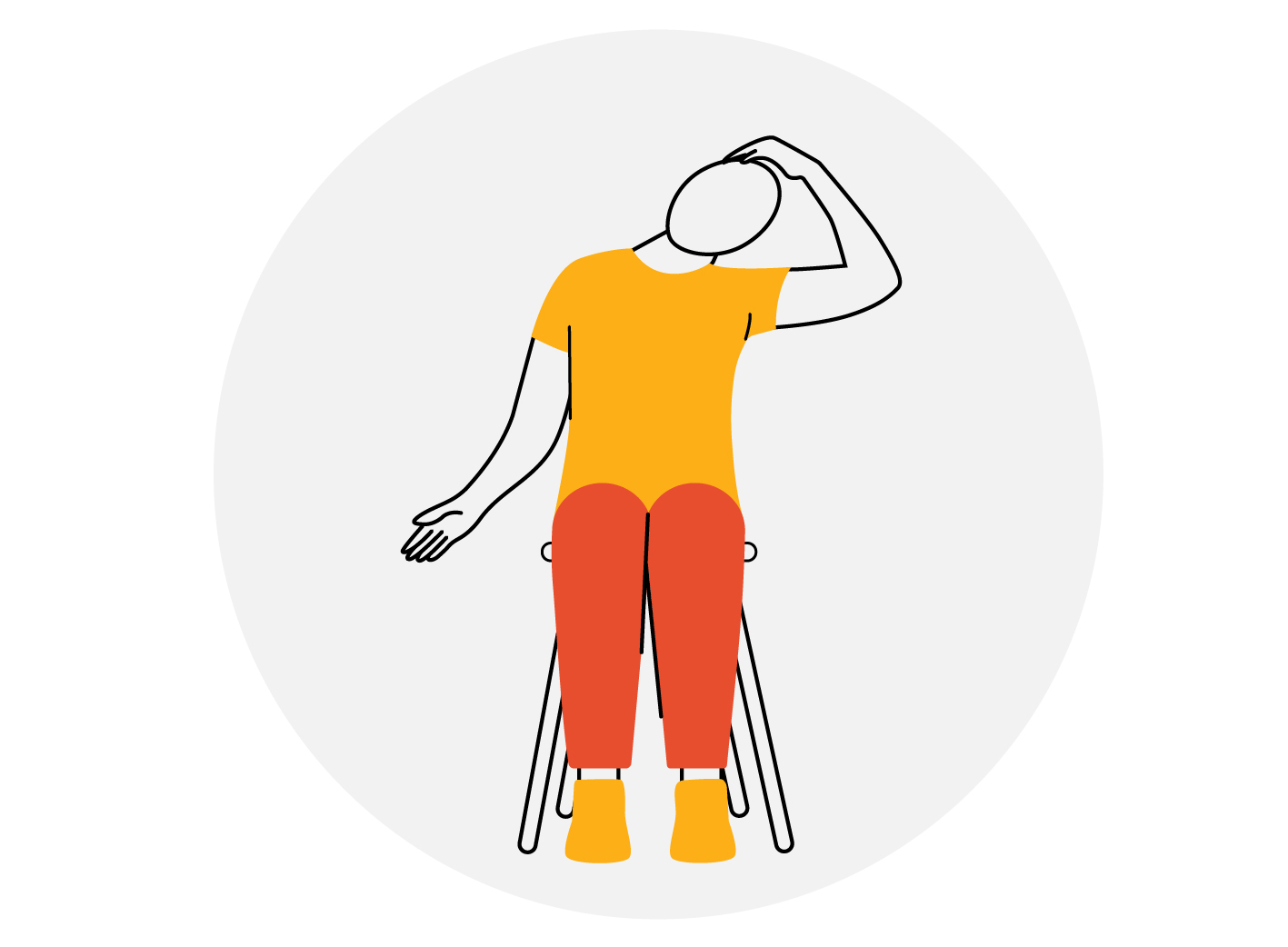
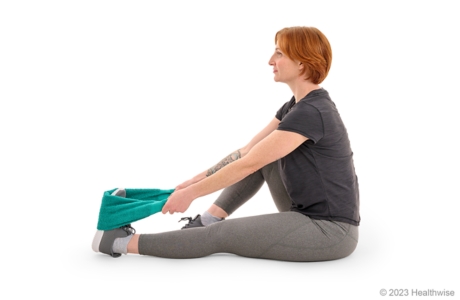
Stretching is one of the most important daily exercises for MS patients. It helps reduce stiffness and prevent muscle tightness.
Simple Daily Stretches:
- Seated hamstring stretch
- Neck side stretch
- Calf stretch using a towel
- Shoulder rolls and upper back stretch
Tip: Hold each stretch for 20–30 seconds without bouncing. Stretching once or twice daily can significantly improve comfort.
2. Grip and Hand Strength Training

4
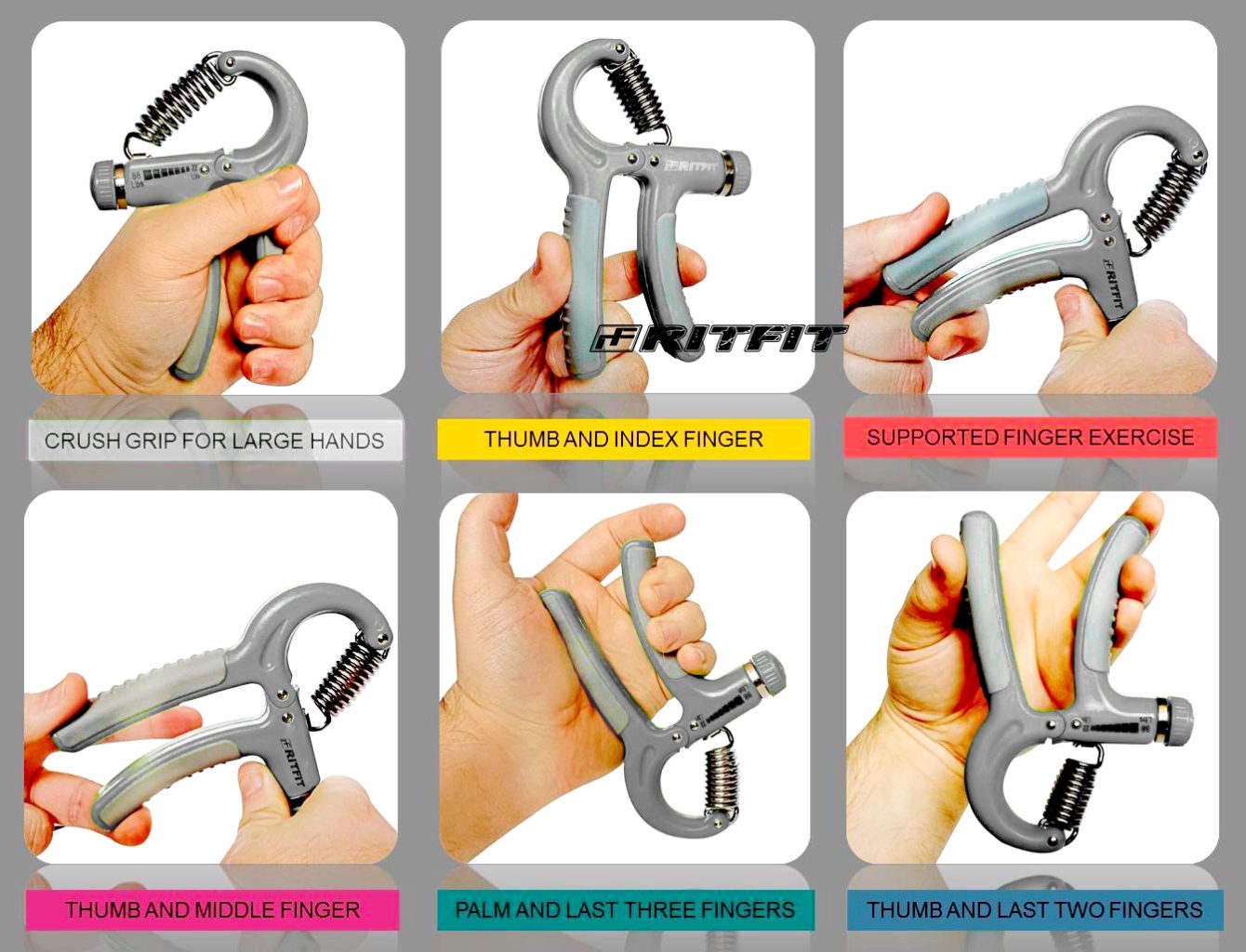
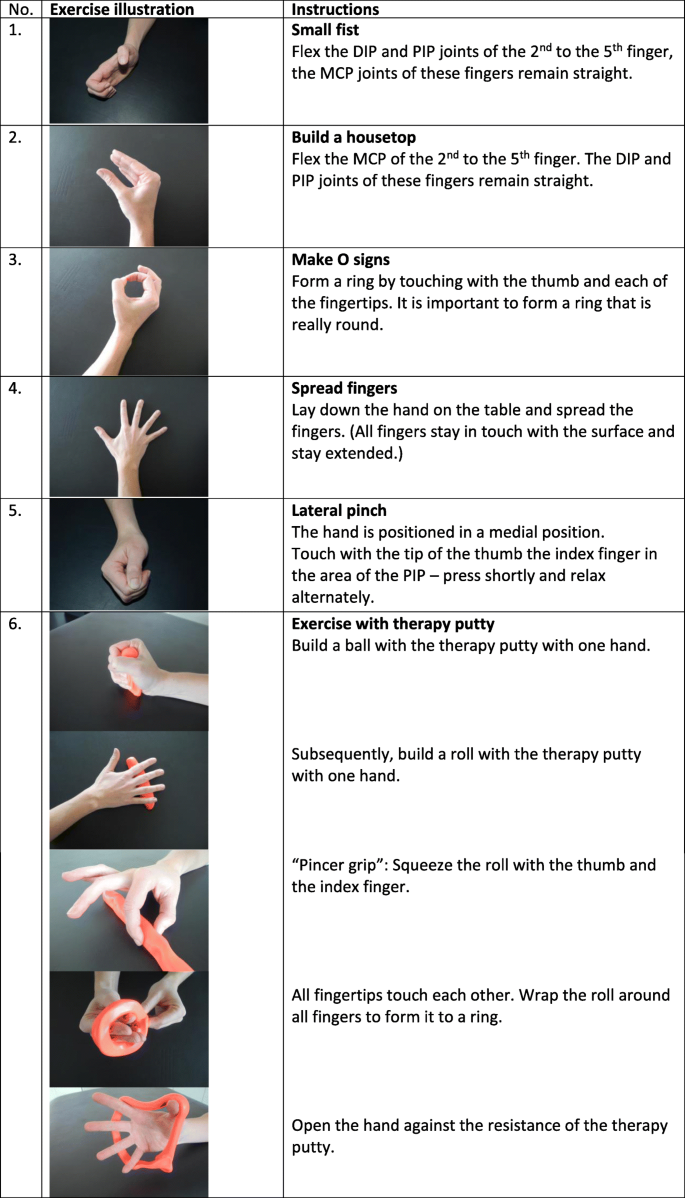
Hand weakness is common in MS. Grip trainers like the FitBeast Grip Strengthener Forearm are often mentioned because they are simple and convenient.
Why Grip Strengthening Helps:
- Improves daily function (opening jars, holding objects)
- Supports forearm strength
- Helps maintain independence
If using a grip strengthener:
- Start with low resistance
- Perform 2–3 sets of 10–15 gentle squeezes
- Avoid overexertion
Even a stress ball can be effective if used consistently.
3. Stationary Cycling for Cardiovascular Health


4
Low-impact cardio is extremely beneficial for MS patients. The MERACH Exercise Bike and similar stationary bikes are popular because they allow safe indoor exercise.
Benefits of Stationary Bikes:
- Improves heart health
- Strengthens leg muscles
- Enhances endurance
- Low impact on joints
Best Approach:
- Start with 5–10 minutes
- Keep resistance low
- Avoid overheating (MS symptoms can worsen with heat)
- Use a fan or cool room
Recumbent bikes are often more comfortable if balance is an issue.
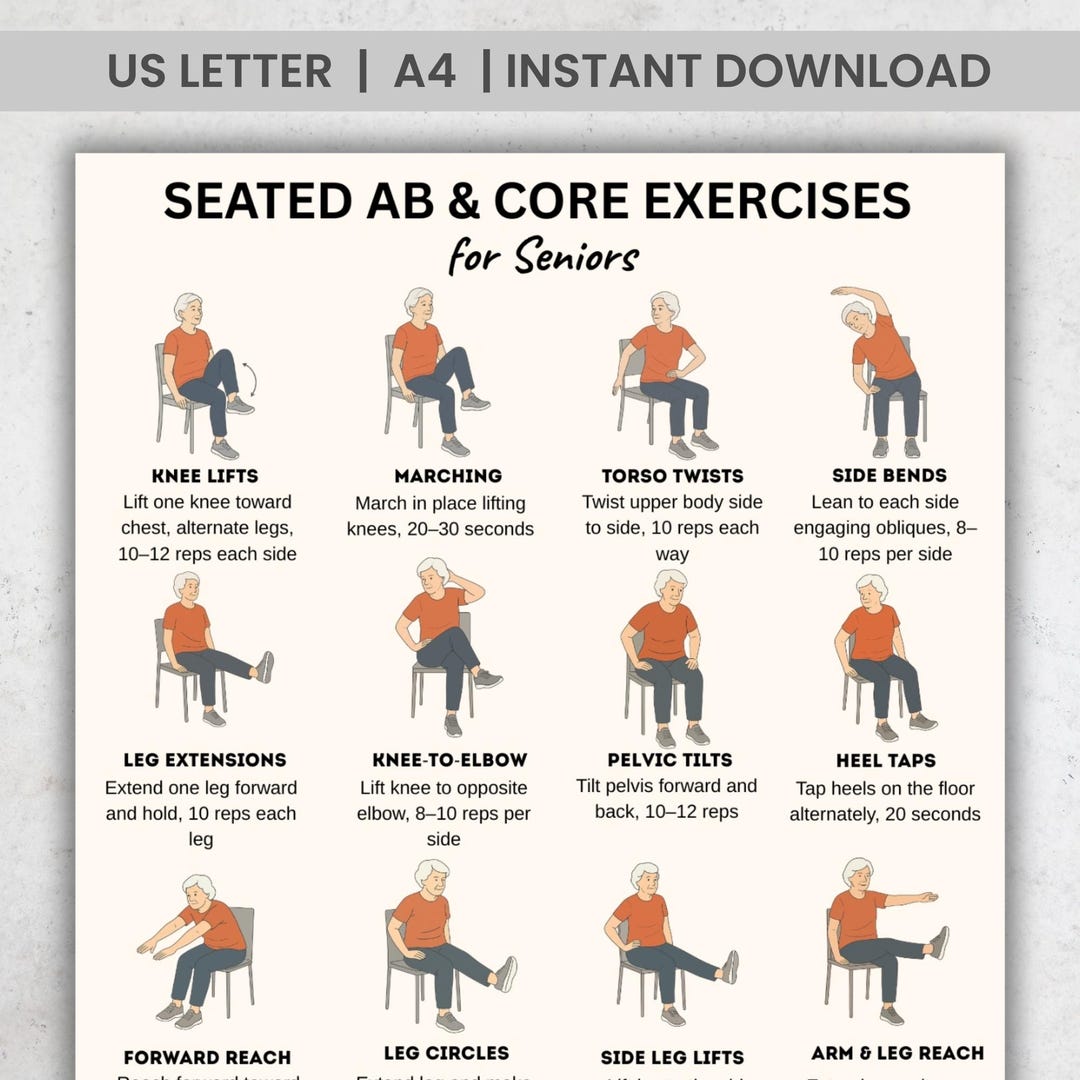
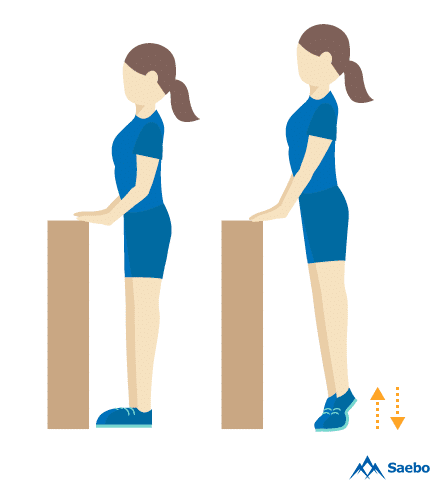
4. Balance and Core Exercises

4
Balance issues are common in MS, so safe, supported exercises are essential.
Good Options:
- Standing heel raises while holding a chair
- Seated core tightening exercises
- Gentle yoga or modified poses
- Wall-supported squats
Balance exercises help reduce fall risk and improve stability in daily activities.
5. Light Resistance Training
Resistance bands are excellent for MS patients because they allow controlled strength building.
Examples:
- Seated leg extensions
- Bicep curls with light bands
- Side leg raises
- Wall push-ups
Strength training 2–3 times per week can slow muscle loss and improve function.
Important Safety Tips
Before starting any new program:
- Consult your doctor or physical therapist
- Avoid overheating
- Stop if dizziness or extreme fatigue occurs
- Rest when needed — overtraining can worsen symptoms
- Stay hydrated
MS symptoms vary from person to person. What works well for one person may not be ideal for another.
What Works Best Overall?
From community discussions and user experiences, the most helpful home exercises for MS patients usually include:
- Daily stretching
- Light strength training
- Low-impact cardio (like stationary cycling)
- Gentle balance work
Equipment like grip strengtheners and stationary bikes can be useful tools — but they are most effective when part of a balanced routine, not used alone.
Final Thoughts
Managing MS is about consistency, not intensity. Even 15–20 minutes of gentle movement per day can bring noticeable improvements over time.
The most successful home routines are:
- Simple
- Sustainable
- Low impact
- Adaptable to energy levels
