


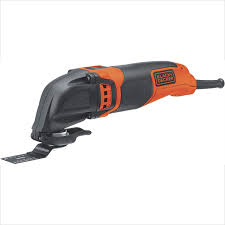
Choosing the right oscillating tool can get surprisingly overwhelming, especially when you start comparing different models and reading countless opinions online. What begins as a simple plan to buy a tool for small home repairs quickly turns into deep research across blogs, YouTube reviews, and tool forums. If you’re someone who mainly handles drywall cuts, wood trimming, cleaning edges, or removing old caulking, you naturally want something reliable but not overly complicated.
During my research, I came across the same two models being recommended again and again across trusted sources like Wirecutter, NY Times, Popular Mechanics, ToolGuyd, and even various Reddit DIY communities. These two tools consistently appear in “best of” lists and user recommendations, which is why they deserve a closer look:
- DEWALT 20V MAX XR Oscillating Multi-Tool (Model 1)
- DEWALT 20V MAX XR Brushless Oscillating Multi-Tool (Model 2)
Both are popular choices among DIYers and homeowners, and both come from a very reliable brand. Below is a detailed breakdown to help you decide which model suits your actual needs in 2025.
1. DEWALT 20V MAX XR Oscillating Multi-Tool (Model 1)
This model is often praised as a well-rounded option for anyone who wants solid performance without going into the “pro-level expensive” category. It blends power, balance, and user-friendly features, making it great for everyday household tasks.
Key Features
• Variable Speed Control
One of the standout advantages is the variable speed trigger. This lets you adjust the cutting speed based on the task—slow and controlled for delicate work, or fast for tough materials. For DIY homeowners, this is extremely helpful because not all jobs require full power.
• Quick-Change Accessory System
DEWALT’s quick-release lever means you don’t need tools like Allen keys to swap blades. If you’re trimming door frames one minute and cutting drywall the next, the ability to change attachments quickly saves time and frustration.
• Comfortable Grip & Low Vibration
Many users mention that this model feels easy on the hands during longer use. DEWALT added anti-vibration features that reduce hand fatigue, which is a big advantage for beginners or anyone who isn’t used to holding tools for long periods.
• Bright LED Light
Working under a sink? Inside a closet? No problem. The built-in LED lights up the target area, making precise cuts much easier.
Performance for DIY Tasks
For typical home jobs like drywall cutting, scraping off old caulk, removing trim, or smoothing edges, this tool performs consistently well. Its strength is stability — it handles almost all light-to-medium jobs easily without feeling too aggressive. Many DIY users rate it as a “set and forget” tool that won’t disappoint.
2. DEWALT 20V MAX XR Brushless Oscillating Tool (Model 2)
At first glance, this model looks very similar to the first one, and that’s why many people get confused. But it has a few important differences that can matter depending on how you use it.
Key Features
• Brushless Motor
The biggest difference is the motor. A brushless motor is generally more efficient, produces less heat, lasts longer, and delivers smoother power. This means the motor automatically adjusts to the load — if you’re cutting something thick, it boosts performance; if you’re doing light jobs, it conserves battery.
• Higher Runtime
Thanks to the brushless motor, this model tends to run longer per charge. If you use your tool frequently or for long sessions, the extra runtime can make a noticeable difference.
• Precision and Speed Options
This version offers slightly better precision, especially when cutting into tighter spaces or doing detailed work. The variable speed system is smoother, which experienced users often appreciate when making tricky cuts.
• Stronger Build for Tougher Jobs
While still suitable for normal DIY tasks, this model leans slightly more toward heavy-duty capability. Users who do weekend construction projects or work on renovations often prefer this one because it simply feels stronger under load.
Performance for DIY Tasks
For everyday home use—cutting wood, trimming, scraping, removing grout this tool performs exceptionally well. Where it truly shines is in tougher situations such as hardwood trimming, metal cutting, or long sessions of sanding. The brushless motor ensures it doesn’t bog down easily, and the added durability makes it feel more like a “buy once, keep forever” tool.
Which One Should You Choose in 2025?
If you’re not a professional contractor and you mainly want a reliable tool for home tasks, both models will do their job perfectly. They share a similar design, both are popular in the DIY community, and both have excellent online reviews.
The real difference comes down to how much you value long-term performance and battery efficiency:
Choose Model 1 if:
- You want something budget-friendly.
- You only do light to medium DIY tasks.
- You prefer a comfortable, easy-to-control tool.
- You don’t use oscillating tools very frequently.
Choose Model 2 if:
- You want the longest battery life and strongest performance.
- You plan to use the tool regularly or for longer sessions.
- You want a future-proof, more durable tool.
- You occasionally cut harder materials like metal or hardwood.
Final Thoughts
Both models are excellent choices and appear repeatedly across expert reviews for a reason. For general home repairs, you won’t regret buying either. If you want pure value, go with Model 1. If you want maximum performance and longevity, Model 2 is a smarter investment.
Explore Product 1
[View DEWALT 20V MAX XR Oscillating Tool]
Explore Product 2
[View DEWALT 20V MAX XR Brushless Tool]
