


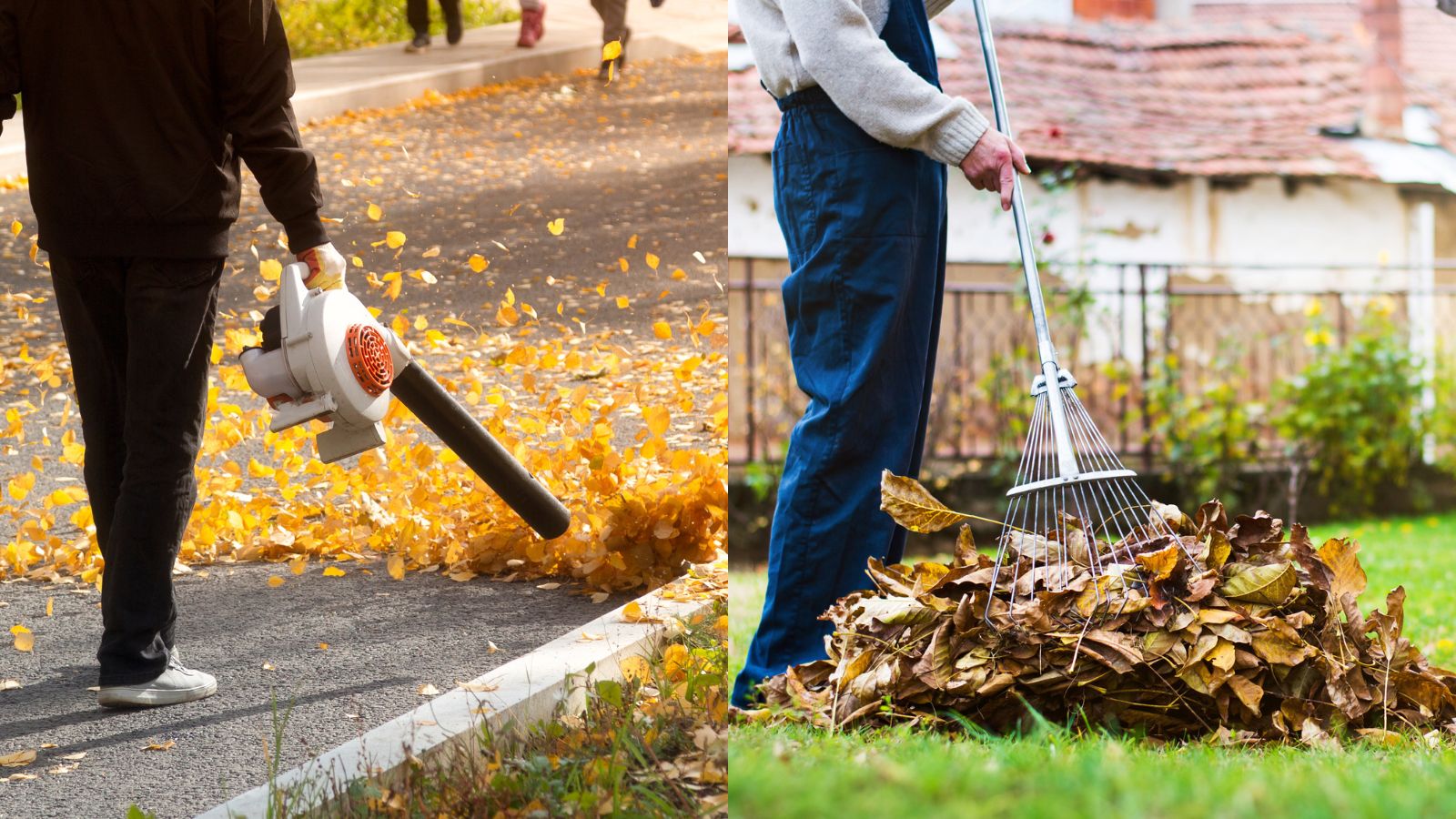
Choosing the right grass or leaf blower can be surprisingly confusing — even when both options have great reviews. I know the feeling: you check review after review, every one seems positive, and yet you’re still unsure which one will actually make yard cleanup easier and worth your money. Fortunately, we can break this down in a few smart steps so you can decide with confidence.
You shared two options:
🔗 https://realpick.store/leaf-blower-cordless-650
🔗 https://realpick.store/electric-leaf-blower-cordless
Let’s unpack what matters most, how these kinds of blowers compare, and how to pick the best one for your needs.
1. Cordless vs Electric: What’s the Real Difference?
Before deciding between the specific models, it helps to know the general categories:
Cordless (Battery‑Powered) Blowers
- Freedom of movement: You can go anywhere without worrying about power cords.
- Modern battery tech: Most use lithium‑ion batteries, which deliver decent runtime and quick starts (no pull cords).
- Quiet and low maintenance: Battery blowers are quieter and cleaner than gas models and don’t need oil or fuel.
- Runtime matters: Battery capacity determines how long you can work before a recharge is needed. SmartBuy
Electric (Corded) Blowers
- Unlimited runtime: Because they’re plugged in, you won’t run out of power.
- Less mobility: You’re limited by cord length and extension cables.
- Consistent power: They tend to deliver steady performance, ideal for small to medium yards. Lowe’s
Bottom line: If your yard is larger, or you want more freedom without extension cords, cordless is usually the better choice. If you’re okay with a cord and want unlimited runtime without battery worry, electric (corded) can be simpler.
2. Key Specs You Should Compare
Whether it’s the 650 CFM model or a generic electric cordless blower you saw, here are the metrics you should look at on the product pages:
CFM (Cubic Feet per Minute)
This number tells you how much air the blower moves — a higher number means faster, more powerful leaf movement. For most residential yards, 400–650 CFM is a strong range. Anything above 600 CFM is usually great for heavy debris or wet leaves too. OnlyBestPick
MPH (Miles Per Hour)
This measures air speed. Higher MPH means leaves and grass clippings get blown farther — useful if you have densest debris or want quicker cleanup.
Battery Specs (Cordless Only)
- Voltage (V): Higher voltage typically means stronger performance.
- Amp‑Hours (Ah): Higher Ah means longer runtime.
- Dual batteries or bigger batteries = longer sessions without recharging. SmartBuy
Weight & Ergonomics
Heavier blowers can cause fatigue if you use them often or for extended time. A lightweight frame with comfortable handles makes a big difference — especially on big lawns. ReeReviews
Noise Level
Cordless blowers tend to be much quieter than gas — often under 70 dB — which is good for early mornings or areas with noise rules. SmartBuy
3. What Users Typically Like About These Blowers
Performance & Build Quality
People consistently praise these types of blowers (650CFM cordless styles) for real‑world power that matches advertised specs — strong airflow and wind force capable of clearing leaves, grass, and dirt. Reviewers often mention that even wet debris gets moved effectively with brushless motors in battery models. OnlyBestPick
Battery Life
Positive reviews typically highlight that most cordless models give enough runtime to finish a standard yard cleaning. Some offer multiple speed levels or turbo modes to balance battery life with performance. amazon.com
Ease of Use
Ergonomics like soft‑grip handles, adjustable speeds, and lightweight designs are commonly cited as reasons reviewers are happy with their purchase. Users say these features actually make yard work feel easier and faster than expected. ReeReviews
4. Things to Consider Before You Buy
How Big Is Your Yard?
- Small yard (<0.25 acre): A lightweight 300–450 CFM blower may be plenty.
- Medium yard (0.25–1 acre): A 450–650 CFM cordless blower hits a sweet spot.
- Large yard (>1 acre): You might prefer a powerful cordless or even a backpack model. SmartBuy
Wet vs Dry Debris
Wet leaves and grass clumps require higher CFM and MPH to move effectively — this is where stronger cordless battery models shine over lighter electric blowers. OnlyBestPick
Battery Recharge Time
Don’t forget this — if you run out mid‑job, how fast can you recharge? Assuring you have spare batteries or faster chargers improves workflow. SmartBuy
5. Real World Tips from Owners
Looking at community feedback online, here’s what actual users say:
💬 “Battery tech is way better now.” Most cordless blowers deliver enough runtime for typical yard work and are much easier to start than old gas pull cords. Reddit
💬 “Weight matters a lot.” Some people find heavy batteries tiring on long sessions; lightweight blowers with balanced design help. ReeReviews
💬 “Quiet is underrated.” Unlike gas blowers, cordless blowers are significantly quieter — neighbors notice and appreciate it. SFGATE
💬 “No cord = no frustration.” Battery models get a lot of praise just for convenience — no cords to trip over or limits to how far you can walk. Reddit
6. So Which Should You Pick?
If you want maximum freedom and modern performance:
Go for the cordless blower (the 650 model) — cordless designs today give strong blow power, good runtime, and easy handling without cables. These blowers often include multiple speed levels and long battery life, enough to finish most homeowner jobs. amazon.com
If you want simpler setup and unlimited power:
A corded electric leaf blower could make more sense if mobility isn’t a priority, and you want continuous power. It’s often lighter and cheaper than high‑end cordless options, and you never have to wait for battery charging. Lowe’s
7. Final Thoughts
Both types of products you’re seeing online can do what they promise — clear leaves, grass clippings, and debris — but the best choice ultimately comes down to how you use it:
