


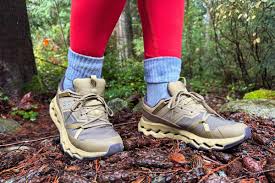
Planning longer hikes sounds exciting until foot problems start ruining the experience. That’s exactly where I found myself recently. Over the past year, I’ve had more than a few uncomfortable moments on rocky and uneven trails — mostly due to slipping and not feeling confident with my footing. After one particularly frustrating hike, I decided it was time to stop guessing and actually research before spending money again.
I went down a deep rabbit hole. I read reviews on Wirecutter by The New York Times, compared lab-tested results on OutdoorGearLab, checked expert opinions from REI’s advice section, and even skimmed feature articles from Outside Magazine. On top of that, I spent hours reading old hiking forum threads and blog comments from people who actually hike regularly, not just reviewers.
What surprised me was that most discussions didn’t point to a single “perfect” hiking shoe. Instead, people seemed divided between two different approaches:
- choosing a comfortable, supportive shoe even if it’s not a traditional hiking model, or
- improving grip on shoes you already own rather than replacing them entirely.
Two products kept popping up in those conversations.
Option 1: Nike Men’s Jordan Max Aura 2 Basketball Shoe
At first glance, this one sounds odd. A basketball shoe for hiking? I thought the same thing. But after reading real user experiences, I understood why it keeps coming up.
The Jordan Max Aura 2 is built with a high-top design that offers solid ankle support. For people hiking on light to moderate trails, ankle stability is often just as important as aggressive tread. Several users mentioned that they feel more secure wearing these on uneven paths, especially when carrying a backpack.
Comfort is another big reason people recommend it. The cushioning is designed for impact, which translates well to long walks and extended wear. Some hikers said they experienced less foot fatigue compared to stiff hiking boots, especially on mixed terrain where you’re not constantly dealing with mud or loose gravel.
That said, this shoe clearly has limits. The outsole isn’t designed specifically for wet rocks or muddy inclines. If you’re tackling technical mountain trails or hiking in unpredictable weather, this may not be the safest choice. But for dry trails, park hikes, or urban-to-trail routes, many users feel it’s a surprisingly practical option.
This choice seems popular among hikers who value comfort first and mostly hike on maintained trails.
Option 2: 2-in-1 Sports Shoe Grip Spray (Traction + Sole Rejuvenation)
The second option takes a completely different mindset. Instead of buying new shoes, some hikers focus on fixing the grip problem itself.
Grip spray kept showing up in forum discussions where people complained about slipping even though their shoes were still in good condition. The idea is simple: the spray restores traction by refreshing the outsole surface and adding temporary grip.
Many users said it helped a lot on rocky or smooth surfaces where worn soles tend to slide. A few mentioned using it before hikes when they knew conditions might be tricky. Others liked that it gave older shoes a second life instead of tossing them out.
Of course, it’s not a miracle solution. The grip doesn’t last forever, and you may need to reapply depending on mileage and terrain. It also won’t turn a flat-soled sneaker into a mountain-ready boot. But for people who already like their shoes and just need extra traction, this approach makes a lot of sense.
This option seems popular with budget-conscious hikers or those who don’t want to break in new footwear before a trip.
Which Route Makes More Sense for Hiking in 2026?
After reading countless opinions, it feels like the real answer depends on how and where you hike.
If you mostly hike on light trails, value comfort, and want ankle support, a shoe like the Jordan Max Aura 2 could work surprisingly well. It’s not traditional, but many hikers clearly make it work for their needs.
On the other hand, if you already own shoes you love and the only issue is slipping, a grip spray feels like a smart, low-risk experiment. It’s especially appealing if you hike occasionally or want a quick fix before a planned trip.
What I appreciated most from all the forums was the honesty. No single product works for everyone, and experienced hikers seem more focused on solving problems than following labels.
I’m still deciding myself, but hearing real-world experiences has helped narrow things down a lot.
👉 Explore the Jordan Max Aura 2 Shoe
(Check details, reviews, and current availability)
