


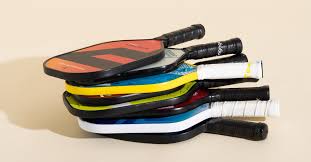
Choosing the right pickleball paddle as a beginner can feel more confusing than expected. Many new players start with the idea that any paddle will do, only to realize later that control, comfort, and long-term durability matter more than flashy claims. If you are a parent looking to buy a paddle for yourself or for family play, the goal is usually simple: something that feels good now and still performs well as skills improve.
Two paddles that often come up in community discussions are the Golabs PB1 Pickleball Paddle and a USAPA Approved Fiberglass Surface Pickleball Paddle. Both are well-reviewed, beginner-friendly, and positioned as solid long-term options. Below is a clear, honest breakdown to help you understand how each one performs in real use, not just on paper.
Golabs PB1 Pickleball Paddle – Balanced and Confidence-Building
The Golabs PB1 is often recommended to beginners who want stability and control without feeling limited as they improve. One of the first things players notice is how balanced the paddle feels in hand. It does not feel head-heavy, which makes it easier to react quickly at the net and during casual rallies.
The PB1 typically features a fiberglass face combined with a polymer honeycomb core. This combination helps absorb impact, reducing vibration and making it easier on the wrist and elbow. For parents playing longer sessions or teaching kids, this comfort factor matters more than most people realize.
Control is where the Golabs PB1 really stands out. Soft dinks near the kitchen line feel predictable, and placement shots are easier to manage. Beginners often struggle with overhitting, and this paddle helps reduce that problem by offering controlled power rather than explosive rebound.
Another strong point is durability. The edge guard is solid, and the surface holds up well over time, even with regular recreational play. This makes it a good option if you want one paddle that can grow with you instead of needing an upgrade after a few months.
In simple terms, the Golabs PB1 suits players who value consistency, comfort, and learning proper technique from the start.
USAPA Approved Fiberglass Surface Pickleball Paddle – Power with a Learning Curve
The USAPA Approved Fiberglass Surface Pickleball Paddle appeals to players who enjoy a bit more pop in their shots. Fiberglass surfaces naturally provide higher rebound, which translates into easier power on serves and baseline hits.
For beginners, this can be a confidence booster. You do not need a full swing to get the ball across the court, which is helpful for casual games or family play. However, that extra power can take some adjustment, especially when trying to control softer shots.
The fiberglass face gives the paddle a lively feel. Fast exchanges at the net feel energetic, and drives from the backcourt carry more depth. Parents playing with teens or athletic beginners often appreciate this added responsiveness.
That said, control is slightly less forgiving compared to more balanced paddles. Touch shots require practice, and players may initially send balls long until they adapt. The core still provides decent vibration control, but it feels firmer than paddles designed mainly for precision.
Build quality is generally reliable, especially since it meets USAPA approval standards. This means it is suitable not just for casual games but also for organized play if you decide to join local events later.
Overall, this paddle works best for players who like an energetic feel and are comfortable learning to manage power as their skills develop.
Side-by-Side Comparison for Parents and Beginners
If your priority is control, comfort, and long-term ease of use, the Golabs PB1 is the safer choice. It supports good habits, feels gentle on the arm, and remains useful as you improve.
If you prefer power, responsiveness, and quicker depth on shots, the USAPA Approved Fiberglass Paddle offers more punch. It can be especially fun for casual games, but it may take extra time to master touch shots.
Both paddles are suitable for beginners, but they cater to slightly different learning styles. Think about how you or your family members play: relaxed rallies and placement, or faster-paced hits with more energy.
Final Thoughts
There is no single “perfect” paddle for everyone. The best choice depends on comfort, playing style, and how quickly you want to progress. Parents often lean toward paddles that reduce strain and support steady improvement, which makes balanced options more appealing in the long run.
Both of these paddles have earned positive feedback for a reason. If possible, focus less on hype and more on how the paddle will feel after months of play. That is where real value shows.
