


Choosing an ultra-wide lens for full-frame Sony cameras is not a small decision, especially if you shoot landscapes, architecture, and travel. These genres demand sharpness across the frame, strong control of distortion, and reliable performance in different lighting conditions. After digging through in-depth reviews, expert roundups, and countless real user discussions, two lenses consistently stand out:
- Sony FE 12–24mm F2.8 G Master
- Sony FE 20–70mm F4 G
Both are highly respected, but they serve slightly different purposes. Let’s break them down in real-world terms, not just specs.
Sony FE 12–24mm F2.8 G Master — Built for True Ultra-Wide Power


4
This lens is designed for photographers who want the widest possible perspective without compromise. At 12mm, you are entering a field of view that dramatically changes how scenes look. For landscapes, this means huge skies, strong foreground emphasis, and that immersive, “standing there” feeling. For architecture, it allows you to capture tight interiors and tall structures even in limited space.
The biggest advantage here is the constant f/2.8 aperture. For an ultra-wide zoom, that’s impressive. It helps in:
- Low-light scenes (sunrise, sunset, night cityscapes)
- Astrophotography
- Indoor architectural shots where light is limited
You also get top-tier G Master optics, which means excellent sharpness from center to corners, strong contrast, and well-controlled aberrations. Distortion is present — as expected at such wide focal lengths — but it’s very well managed and easy to correct in post.
The trade-off?
This lens is specialized. It’s not an everyday walk-around option. You’re living in the ultra-wide world all the time, which is amazing for certain shots but less flexible for general travel photography where you may want tighter framing.
Best for: Serious landscape shooters, architecture specialists, interior work, night sky photographers.
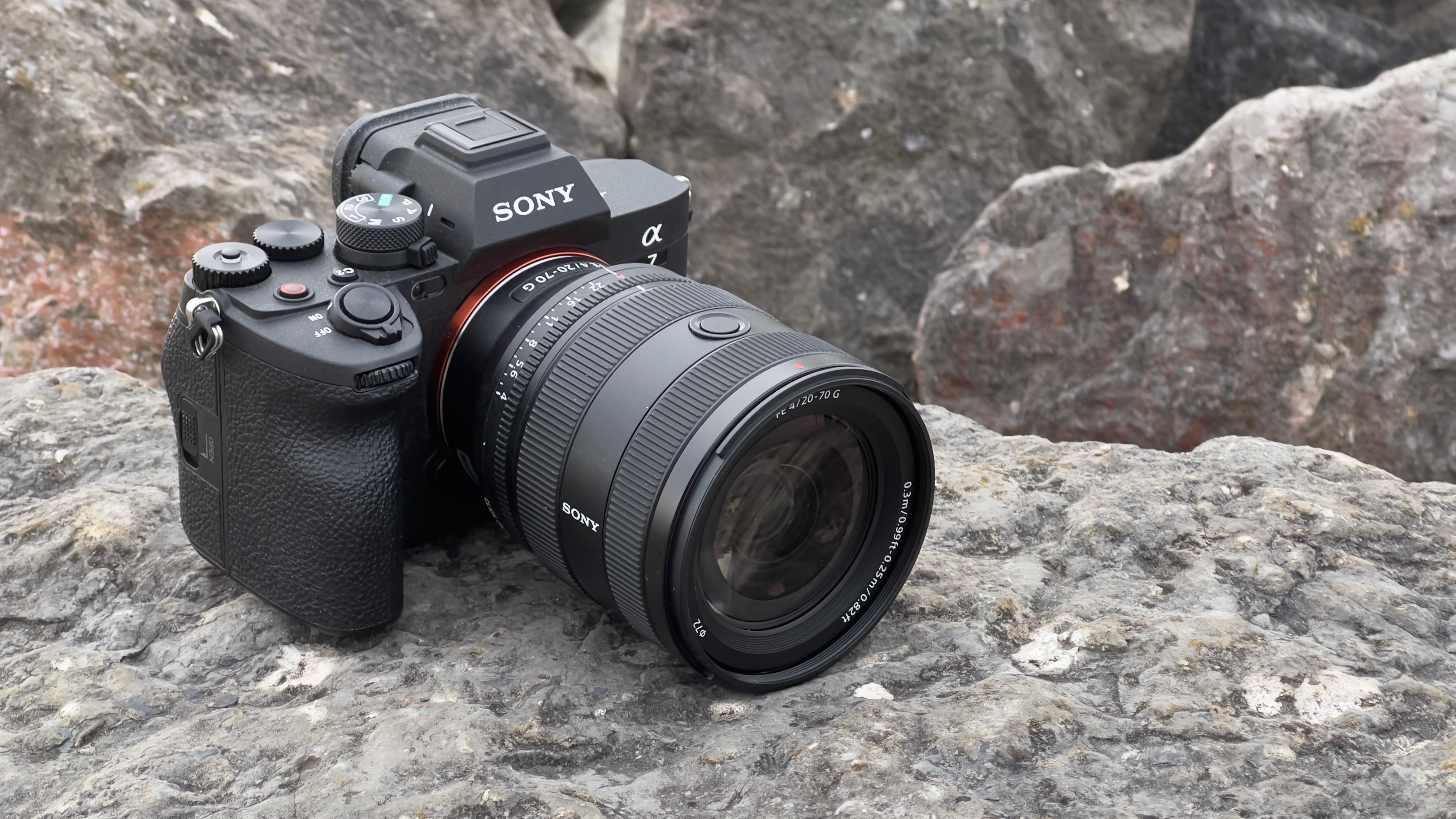
Sony FE 20–70mm F4 G — The Flexible Wide-to-Standard Workhorse


4
This lens takes a very different approach. Instead of going extremely wide, it starts at 20mm (still wide) and stretches all the way to 70mm, which moves into a natural, everyday field of view.
For travel and general photography, this range is incredibly practical:
- 20mm — wide landscapes, streets, interiors
- 35–50mm — natural perspective for people and scenes
- 70mm — tighter framing, details, portraits on the go
While it has an f/4 aperture, which is one stop slower than f/2.8, modern Sony sensors handle higher ISO very well. In daylight and general travel situations, this isn’t a major limitation.
Optically, it’s part of the G series, so image quality is still excellent: sharp, clean, and with pleasing contrast. Distortion and edge performance are well controlled, especially for a zoom with this much range.
What really makes this lens shine is versatility. You can walk around all day with it and cover landscapes, city scenes, food, people, and details — without changing lenses.
Best for: Travel photographers, hybrid shooters, landscape + everyday use, minimal gear setups.
Head-to-Head: Which Makes More Sense Long-Term?
| Feature | 12–24mm F2.8 GM | 20–70mm F4 G |
|---|---|---|
| Field of View | Extremely ultra-wide | Wide to short tele |
| Aperture | Faster (f/2.8) | Moderate (f/4) |
| Low-Light | Excellent | Good |
| Flexibility | Specialized | Very versatile |
| Travel Use | Limited to wide scenes | All-in-one style use |
| Architecture | Outstanding | Good but not extreme |
If your main goal is dramatic ultra-wide landscapes, interiors, and creative wide perspectives, the 12–24mm F2.8 GM is hard to beat. It’s a lens you buy for a specific vision.
If you want one lens that can handle landscapes and everyday travel photography, the 20–70mm F4 G may actually be the smarter long-term investment. It covers more situations without needing to switch glass.
Final Thoughts
This decision really comes down to shooting style:
- Go 12–24mm F2.8 GM if ultra-wide impact and low-light performance matter most.
- Go 20–70mm F4 G if flexibility and convenience are more important for your workflow.
Both lenses are excellent. It’s not about which is “better” — it’s about which fits how you shoot.
